
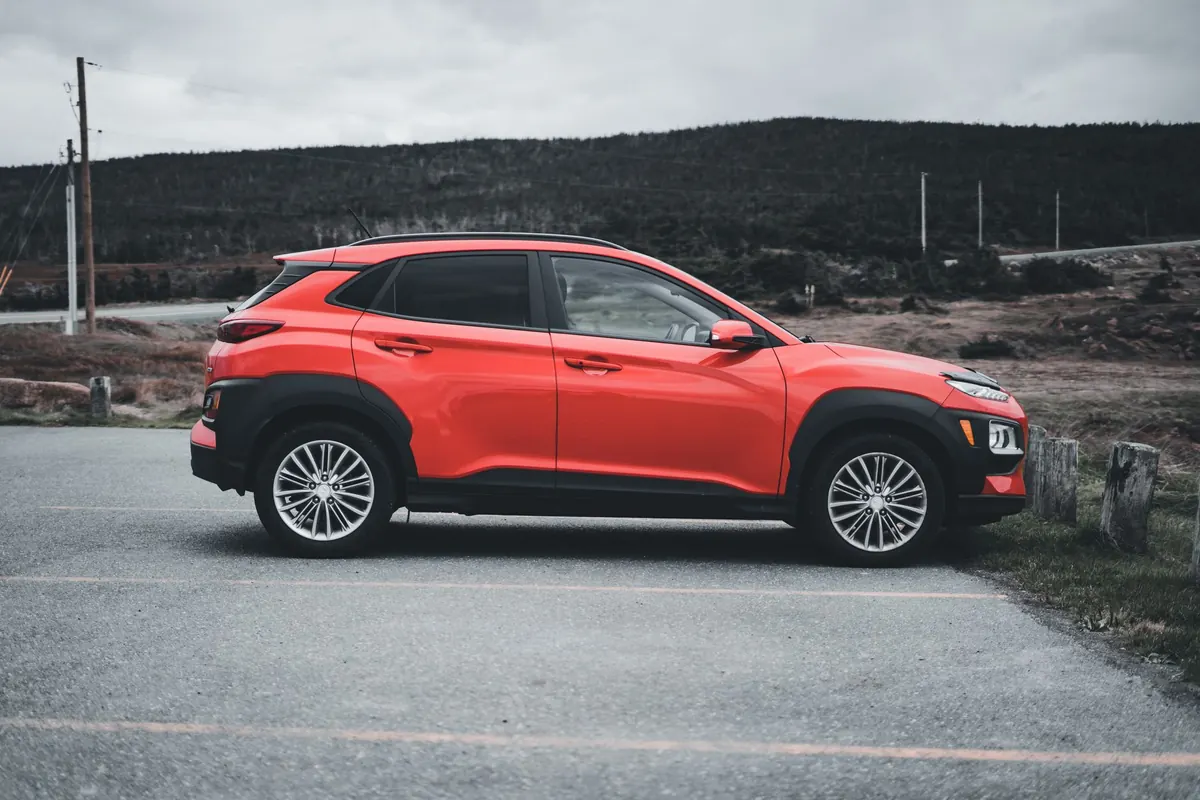


Certified Pre-Owned vs. Used Ford: What Humble Drivers Should Know Before Buying
Certified pre-owned Fords cost more than standard used ones. Here's what the extra money actually buys in inspection, warranty coverage, and financing terms.

Two Fords sit side by side on the lot. Same model year, nearly the same mileage. One wears a Certified Pre-Owned badge, the other just says Used, and the certified car is priced higher — sometimes by a wide margin. The useful question isn't whether certified beats used. It's what that extra money buys you, and whether you actually need it.
The gap comes down to three things: inspection, warranty, and financing. Here's how they differ, and how to decide which one fits your garage.
What "Certified Pre-Owned" Really Means
A factory CPO Ford isn't simply a used car with a nicer sticker. To qualify, the vehicle typically has to meet age and mileage limits set by Ford, carry a clean title with no major accident history, pass a lengthy inspection, and be reconditioned with Ford-approved parts where needed. Then Ford — not just the store — backs it with a limited warranty.
That last part is worth slowing down for. Many dealers advertise "certified" vehicles that are certified by the dealership itself, backed by a dealer warranty. That's not the same as manufacturer certification. Ask directly: Is this certified by Ford, or certified by your dealership? A factory program generally lets you get covered repairs handled at Ford dealerships beyond the one you bought from. A store-level certification usually keeps you tied to the selling store or a small network.
The Inspection: Ask to See the Paperwork
Every factory CPO car has been through a documented checklist — often well over a hundred items — and the results should be available to you. A typical inspection covers things like:
- Engine, transmission, and drivetrain performance, including a cold start and a road test
- Brakes, tires, suspension, and steering components
- Battery, charging system, and electronics, including backup cameras and driver-assist features
- Fluids, filters, belts, and hoses
- Air conditioning and heating performance
- Frame, body panels, and signs of previous collision repair
- History checks: title status, odometer accuracy, and open safety recalls
Ask for the completed inspection sheet before you talk numbers. Point at anything that was repaired and ask what part went in and whether it was a Ford part. On a standard used car, you're usually buying whatever reconditioning the dealer chose to do — sometimes a full safety service, sometimes an oil change and a brake check. That isn't automatically bad. It just means more of the risk sits with you.
Warranty Coverage: Where the Real Difference Shows
Certified vehicles come with a limited warranty from Ford, usually measured in years or miles, with powertrain coverage, roadside assistance, and sometimes a rental allowance while repairs are underway. Because the coverage is factory-backed, you're not negotiating with a service writer about whether a repair counts.
A standard used vehicle is a different story. It might be sold as-is. It might come with a short dealer warranty measured in weeks. If the original factory warranty is still active, you keep the remainder of it — that's a real advantage when you're looking at a two- or three-year-old car. Otherwise, repairs are your responsibility unless you buy a separate service plan.
Whatever you're considering, get the coverage terms in writing and ask:
- How long does coverage last, and does it start from today or from the original in-service date?
- What's the deductible, and what's excluded?
- Is the warranty transferable if I sell the car later?
- Can covered repairs be done at any Ford dealership?
- Do I need to keep maintenance records to keep coverage valid?
Financing Works Differently, Too
Certified vehicles often qualify for rates and terms closer to new-car financing. Lenders like them because the car is newer, the mileage is lower, and a manufacturer warranty protects the value if the loan goes sideways.
Standard used cars get priced by age and mileage. Older, higher-mileage vehicles usually mean shorter loan terms, higher interest rates, and a larger down payment, because banks worry the car's value will drop below what you owe.
Two practical moves before you shop. First, get preapproved at your bank or credit union so you know your real budget. Second, ask the finance office to quote the certified rate and the standard used rate side by side, on the same term length. A point or two of interest over five years adds up. Read the add-ons — gap coverage, service contracts, protection packages — one at a time rather than as a lump sum.
If the purchase is a stretch for your budget, talk it through with a lender or financial advisor before you sign anything.
The Math on the Certified Premium
Certified cars cost more upfront. Whether that's worth it depends on what you'd otherwise spend to get similar peace of mind. Compare the certified premium against the cost of buying a comparable service contract on a used car — and compare the coverage, not just the price. Factory coverage is often broader and involves less back-and-forth when something breaks.
Then think about how you'll actually use the car. If you drive 15,000 miles a year and plan to keep it past the loan term, warranty coverage and a lower interest rate carry more weight. If you're paying cash for a second car that mostly sits in the driveway, or you have a mechanic you trust and a repair fund set aside, the certified premium may be money you'd rather keep.
Which One Fits You?
Neither choice is wrong. The right answer depends on your tolerance for surprise costs.
- Lean certified if you drive a lot, plan to keep the vehicle five years or more, want predictable ownership costs, need reliable transportation every morning, or you'd rather not inspect a used car yourself.
- Lean standard used if you're paying cash, working with a tight budget, comfortable with maintenance and repairs, or buying an older model you plan to keep short-term.
- Watch for the trap on either path: paying certified money for a car with no inspection report and vague warranty details, or buying the cheapest used car on the lot and skipping the test drive.
Before You Sign
Test drive the car the way you actually drive — include a cold start, a highway merge, and a parking lot. Get a vehicle history report and confirm any open recalls were addressed. Have the inspection paperwork and the warranty terms in hand, in writing, before you discuss financing. If something doesn't add up, ask again. A dealership that's confident in its cars won't mind the questions, and you'll drive away knowing exactly what you bought and what's covered if something goes wrong.
Photo: Enis Yavuz / Pexels