How to Choose the Right Tires for Your Ford in Houston-Area Heat and Rain
Houston heat and rain demand tires that resist heat buildup and channel water. Learn how to pick the right type, tread, load rating, and rotation schedule for your Ford.
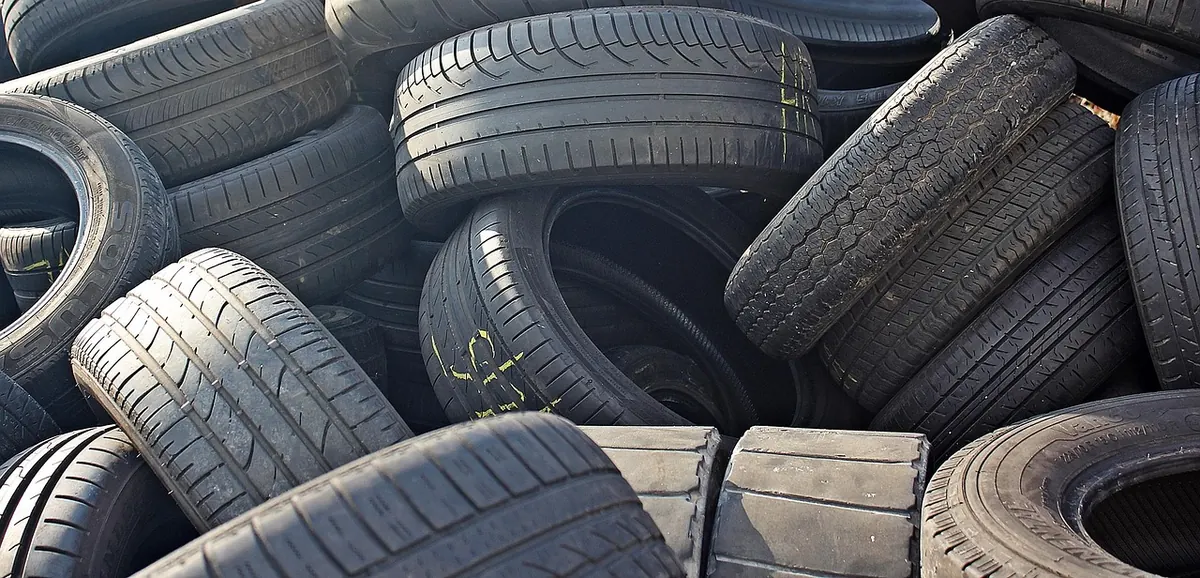
In Houston, your Ford’s tires live a double life. One week they’re baking on asphalt hot enough to blister bare feet, and the next they’re slicing through sheets of rain on I-45. That combination—heat and water—is tough on rubber. Choosing the right tires isn’t about buying the most expensive set. It’s about matching your driving to the Gulf Coast climate and your Ford’s specific needs.
Why Heat Is the Quiet Enemy
Heat does more than make your A/C work overtime. It raises tire pressure, accelerates rubber aging, and can turn a small leak into a blowout. Underinflation is the biggest risk: a soft tire flexes more, builds heat, and wears out faster. Overinflation is no better. It reduces the contact patch, so the center of the tread wears thin while the edges do less work.
Check your tire pressure at least once a month, and always when the tires are cold—before you’ve driven more than a mile. Use a quality gauge, not just the dashboard light. A tire can be 20 percent low before the TPMS warning appears. For every 10°F change in outside temperature, tire pressure changes by about 1 psi, so a cool morning after a hot week can leave you underinflated. While you’re at it, check the spare. It’s easy to forget until you need it on the shoulder of the Beltway.
Tread Patterns That Shed Water
Houston rain rarely drizzles. It dumps. That means hydroplaning—losing contact with the road as water builds under the tire—is a real threat. The tread pattern is your first defense. Look for wide circumferential grooves that channel water away, and plenty of sipes (the small slits) that bite into wet pavement.
Asymmetric and directional tread designs often perform better in heavy rain because they’re engineered to move water efficiently. But pattern alone isn’t enough. Tread depth matters. The legal minimum is 2/32 of an inch, but for confident wet driving, replace tires at 4/32 or 5/32. A simple tread depth gauge costs a few dollars and takes the guesswork out of it. If you can see the wear bars—the raised strips across the grooves—you’re past due.
All-Season, Summer, or All-Terrain?
For most Ford cars and crossovers in Houston—Fusion, Escape, Edge—a good all-season tire is the practical choice. It handles heat, wet roads, and the occasional cold snap without switching sets. Summer tires offer maximum grip in dry and wet conditions, but they can harden in near-freezing temperatures, which Houston does see a few mornings each year. If you drive a Mustang and want the sharpest handling, summer tires are worth considering, but be honest about how you use the car.
For F-150 and other trucks, all-terrain tires are popular. They handle light off-road use, gravel driveways, and job sites, and many modern all-terrains are quiet and rain-friendly. Mud-terrain tires look aggressive but are loud on pavement and can struggle with wet traction. Unless you’re regularly in deep mud, skip them.
Load Ratings, Speed Ratings, and Your Ford’s Specs
Every Ford has a recommended tire size, load index, and speed rating. You’ll find them on the driver’s door jamb sticker and in the owner’s manual. Never go below the recommended load rating, especially if you tow a boat to Clear Lake or haul landscaping supplies. A lower load rating can overheat and fail under weight.
Speed ratings aren’t about how fast you drive. They indicate how much heat a tire can withstand at high speed. A higher speed rating generally means better heat resistance, which is useful in Houston. But don’t pay for a “V” or “W” rating if your Ford’s placard calls for “H” and you never exceed legal speeds. Match the rating to the vehicle’s design.
Here’s a quick checklist when comparing tires:
- Load index: Meets or exceeds the door jamb sticker.
- Speed rating: At least what Ford specifies.
- UTQG traction grade: “AA” or “A” for wet grip.
- Treadwear grade: Higher numbers last longer, but may trade some grip.
- Temperature grade: “A” is best for heat resistance.
Those UTQG ratings are printed on the sidewall. They’re not perfect, but they give you a fair comparison between tires in the same category.
Rotation Schedules for Houston Driving
Houston’s mix of stop-and-go traffic, highway miles, and rain-soaked corners wears tires unevenly. Rotating them regularly is the cheapest way to extend their life. For most Fords, rotate every 5,000 to 7,500 miles—roughly every other oil change. If you tow or carry heavy loads, rotate closer to 5,000.
While the tires are off, have them balanced and check the alignment. A pothole on Antoine Drive can knock alignment out of spec, causing a pull and premature wear. Ask for a tread depth reading at each rotation so you can plan ahead. Also inspect the sidewalls for cracks, cuts, or bulges. Heat and ozone age rubber, and a bulge means internal damage—replace that tire immediately.
When to Replace Tires in Houston
Heat is hard on rubber, so don’t judge tires by tread alone. Look for tiny cracks in the sidewall, a sign of dry rot. Check the date code on the sidewall—the last four digits tell you the week and year of manufacture. Many manufacturers recommend replacing tires after six to ten years regardless of tread, and in Houston’s heat, leaning toward the shorter end is wise. If you feel vibration, hear humming, or notice uneven wear, have a professional inspect them.
Replace tires in pairs at minimum, and on all-wheel-drive Fords like the Explorer or Escape, replace all four at once. Mixing tread depths can strain the drivetrain and cause handling surprises in the rain.
Making the Choice
Start with your Ford’s door jamb sticker, then think about how you actually drive. If you commute on I-10 and park outside, prioritize wet traction and heat resistance. If you tow on weekends, prioritize load rating. If you want a quiet ride, avoid aggressive off-road tread. A good tire shop will let you compare options and explain the trade-offs without pressure. If you’re near Humble, our parts and service team can check your current tires, measure tread depth, and help you find a set that fits your Ford and your budget. Tires are the only thing between your Ford and the road—choose them for the climate you drive in, not the one on a brochure.
Photo: NoName_13 / Pixabay